


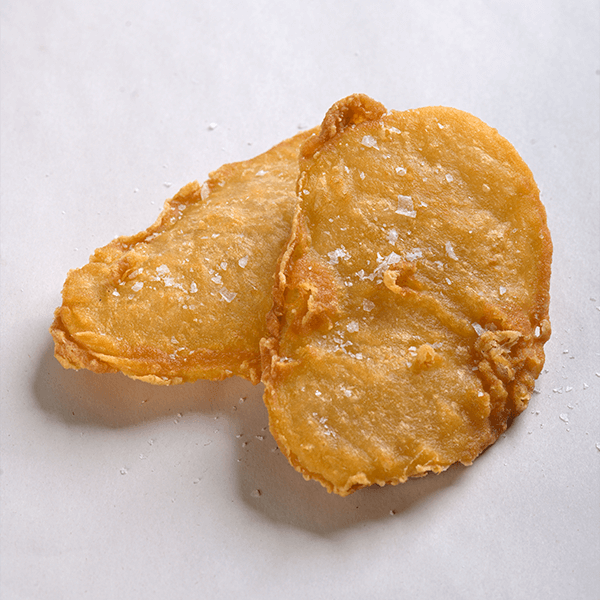
Your Guide to Restaurant-Quality Crunch at Home
There’s nothing quite as disappointing as biting into what should be a crispy crumbed sausage or battered seafood stick, only to find it soggy and underwhelming. You followed the packet instructions, cooked it through, but somehow missed that golden, restaurant-quality crunch you were expecting.
The truth is, most home cooks don’t know the professional secrets that separate mediocre frozen food from genuinely delicious meals. At Keith’s Quality Foods, we’ve spent nearly 50 years perfecting our crumbed and battered products, and we’ve learned exactly what it takes to achieve that satisfying crunch every single time.
Whether you’re cooking crumbed sausages in the oven, experimenting with your new air fryer, or preparing a quick family dinner, this complete guide will show you how to cook frozen crumbed food like a professional chef, transforming convenient frozen products into restaurant-quality meals your family will love.
Why Crumbed and Battered Foods Go Wrong
Before we into the techniques, let’s understand what actually creates that perfect crunch—and why it so often goes wrong.
The Science Behind the Crunch
The golden, crispy coating on crumbed and battered foods is all about moisture management and heat application. When you cook frozen crumbed food properly, the high heat rapidly evaporates surface moisture while creating a crispy outer layer through the Maillard reaction—the same chemical process that makes bread toast and steaks sear beautifully.
The problem occurs when moisture becomes trapped between the coating and the cooking surface, essentially steaming your food instead of crisping it. This is why frozen crumbed products cooked directly on a baking tray often end up with a soggy bottom, while the top achieves that desirable golden brown.
Common Mistakes That Ruin Texture
- Defrosting before cooking is the biggest culprit. it might seem logical to thaw frozen food first, this releases excess moisture that saturates the coating, making crispiness nearly impossible. Always cook from frozen.
- Overcrowding your cooking surface prevents proper air circulation, trapping steam and creating a humid environment that softens coatings. Whether you’re using an oven, air fryer, or deep fryer, give each piece breathing room.
- Incorrect temperature settings either undercook the interior while burning the exterior, or cook the food through while leaving the coating pale and soft. Temperature control is for achieving that perfect balance.
- Skipping the flip means one side steams against the cooking surface while the other browns beautifully, resulting in uneven texture that’s partly crispy, partly disappointing.
The Three Best Methods for Cooking Frozen Crumbed Food
Oven Method: Traditional and Reliable
- Preheat your oven to 200°C (conventional) or 180°C (fan-forced). Preheating is essential—placing food in a cold oven extends cooking time and compromises texture.
- Line a baking tray with baking paper or, better yet, place a wire rack over your baking tray. The rack allows air to circulate underneath, preventing the dreaded soggy bottom.
- Arrange your frozen crumbed food in a single layer with at least 2cm of space between pieces. This spacing is crucial for proper air circulation.
- Cook for the time specified on the package (typically 18–22 minutes for crumbed sausages, 12–15 minutes for smaller items like seafood sticks), flipping halfway through for even browning.
- For extra crispiness, turn your oven to grill mode for the final 2–3 minutes, watching carefully to prevent burning.
Air Fryer Method: Modern and Efficient
- Preheat your air fryer to 200°C for 3–5 minutes.
- Place frozen crumbed food in the air fryer basket in a single layer, ensuring pieces don’t overlap.
- Cook for 10–14 minutes for crumbed sausages, 8–10 minutes for smaller items, shaking the basket or flipping halfway through.
- Check for golden-brown colour and ensure the internal temperature reaches at least 75°C for food safety.
Deep Frying Method
- Fill your deep fryer or heavy-bottomed pot with oil to the manufacturer’s recommended level.
- Heat oil to 180–190°C and use a thermometer to monitor accurately.
- Lower frozen crumbed food carefully into the oil using a slotted spoon or basket. Avoid overcrowding.
- Cook for 3–5 minutes until golden brown.
- Drain on paper towels or a wire rack to remove excess oil.
Product-Specific Cooking Guidelines
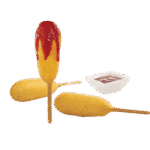
Crumbed Sausages and Dagwood Dogs
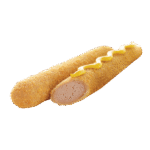
Cook at 200°C for 18–20 minutes in the oven, or 12–14 minutes in an air fryer at 200°C. The coating should be golden brown, and the centre should reach at least 75°C.
Crumbed Seafood Products
Cook crumbed seafood at 180–200°C for 12–15 minutes in the oven, or 8–10 minutes in an air fryer. The coating should be golden and crispy, and the interior should flake easily.
Battered Items
Cook battered foods at 180–190°C to ensure the batter sets and crisps without burning.
Expert Tips for Restaurant-Quality Results
- Never defrost frozen crumbed food before cooking.
- Leave at least 2cm between pieces to allow air flow.
- Flip halfway using tongs to preserve the coating.
- Use a wire rack during and after cooking.
- Rest food for 2–3 minutes before serving to retain crispiness.
Troubleshooting Common Problems
- Soggy coating: Use a wire rack to elevate food and ensure proper spacing.
- Uneven cooking: Flip halfway and rotate trays.
- Burnt outside, cold inside: Lower the temperature slightly and extend cooking time.
- Loss of crunch: Serve immediately or keep on a rack in a low oven.
Serving Suggestions and Pairings
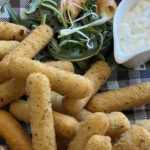
Crumbed sausages pair well with chips and salad. Crumbed seafood suits fish and chips or tacos. Dagwood dogs go well with baked beans and coleslaw.
Restaurant-Quality Crunch at Home
Mastering how to cook frozen crumbed food simply requires correct temperature, spacing, and timing. Keith’s nearly 50 years of experience ensures reliable results every time, bringing restaurant-quality crunch to your table.