


The smell of a freshly fried Dagwood Dog is instantly recognisable to anyone who’s been to an Australian Royal Show.
That golden, crispy batter coating a juicy Frankfurt on a stick has been a fairground staple for decades, creating memories for generations of Australians.
Despite their popularity, many people do not know the full story behind these iconic snacks. What exactly is a Dagwood Dog? Where did the name come from? And why were they traditionally only available once a year at shows and fairs?
The good news is that Dagwood Dogs are no longer limited to annual fairground visits. This article explores the history of Australia’s favourite showground snack – the Dagwood Dog – and where you can buy them today.
What Exactly is a Dagwood Dog?
For those unfamiliar with this Australian classic, a Dagwood Dog is a simple but satisfying creation.
The Basic Anatomy of a Dagwood Dog
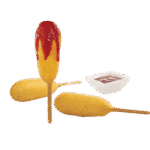
A Dagwood Dog is beautifully simple: a plump Frankfurt sausage, skewered on a stick, dipped in a thick batter, and deep-fried until it is golden and crispy on the outside. The result? A handheld meal that is crispy, juicy, salty, and just a bit messy, exactly as fairground food should be.
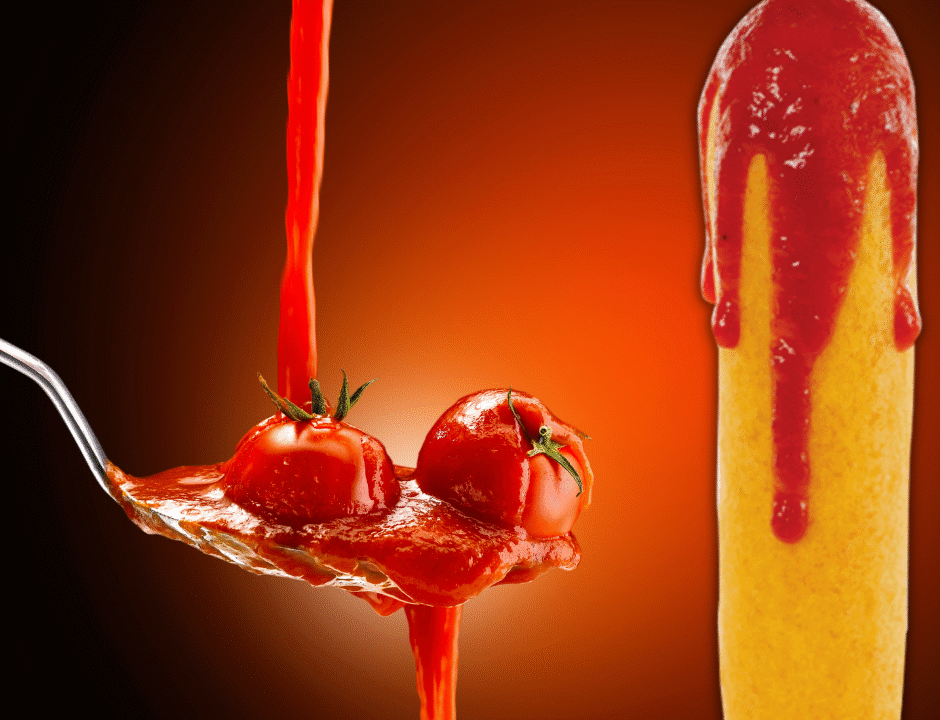
The magic is in that batter. It has a slight sweetness to it, a corn-based coating that crisps up when it hits hot oil. Inside, the Frankfurt stays juicy and snappy. You have your choice of toppings too, tomato sauce is the classic (and the only real choice for purists), though some rebels go for mustard or even a combination.
It is street food perfection: hot, filling, easy to eat while you are walking around, and impossible to resist.
What Makes It Different from a Corn Dog?
The Dagwood Dog shares clear similarities with the American corn dog, and they are indeed closely related. The American corn dog is the original inspiration, but Australians have adapted it into something distinctly their own. The batter tends to be slightly different in texture and has that distinctive golden colour. More importantly, the cultural significance around Dagwood Dogs sets them apart from their American counterparts.
In America, corn dogs are available at petrol stations and in frozen food aisles year-round. In Australia, the Dagwood Dog became something more special, traditionally tied to Royal Shows and once-a-year indulgence. While this is changing, the nostalgia remains strong.
The Fascinating History of the Dagwood Dog
Origins of the Name
The name “Dagwood” has an unusual origin that traces back to an American comic strip called Blondie, which was widely popular from the 1930s onwards.
The main character’s husband, Dagwood Bumstead, was famous for making ridiculously tall, overstuffed sandwiches, piled so high they needed a skewer to hold them together. The image of food on a stick, towering and indulgent, somehow made its way into Australian fairground culture.
The name likely appeared in Australia sometime in the 1950s or 1960s, though pinning down the exact moment is tricky. What we do know is that it stuck. While Americans kept calling them corn dogs, Australians claimed the name Dagwood Dog and made it our own.
From American Fairs to Aussie Showgrounds
The corn dog itself was invented in America in the 1940s. There are competing claims about who exactly created it first, the Texas State Fair and various California vendors have all staked their claims. The exact origins remain unclear.
What is clear is that the concept of a battered sausage on a stick was perfect fair food. It was portable, it was novel, and it was delicious. The idea crossed the Pacific sometime mid-century, probably brought over by American servicemen or travelling food vendors.
But here is where Australian culture really embraced it. Our Royal Shows, those massive agricultural fairs that tour state by state, became the natural home for the Dagwood Dog. These were not just any fairs. They were community institutions, annual traditions that whole families attended.
The Rise of the Show Bag Era
By the 1970s and 1980s, the Dagwood Dog was cemented as the must-have food at any self-respecting Royal Show. Right up there with showbags and dodgem cars, getting a Dagwood Dog became part of the ritual.
There is something about that combination, the excitement of the show, the lights, the rides, and the taste of that crispy batter, that created powerful memories. Ask any Australian in their 30s, 40s, or 50s about their fondest Royal Show memory, and a Dagwood Dog will likely feature in the story.
Why Dagwood Dogs Became an Australian Icon
Several factors contributed to the Dagwood Dog’s status as a beloved Australian snack.
First off, it ticks all the boxes for perfect fair food. It is hot, it is filling, it is easy to eat with one hand while you are clutching a show bag in the other. It is indulgent without being too expensive. And it has that fun factor, there is something inherently playful about food on a stick.
But more than that, it is the ritual. For decades, Dagwood Dogs were something you could only get at the Royal Show or maybe the occasional school fete. That scarcity made them special. You would wait all year, and when show season rolled around, that first bite felt like coming home.
There is also an appealing universality to them. Regardless of background or budget, everyone at the show ate the same Dagwood Dog, creating a shared experience across different walks of life.
How Dagwood Dogs Are Made
Traditional Fairground Preparation
At a fairground stall, it is all about volume and speed. They will have hundreds of Frankfurts already skewered, waiting to be dipped. The batter is kept at just the right consistency, thick enough to coat properly but thin enough to fry evenly.
Each Frankfurt gets dunked in the batter, rolled to coat, then dropped straight into bubbling hot oil. The vendor watches carefully, waiting for that golden-brown colour to appear. Too early and the batter is soggy; too late and it is burnt. When it is done, up it comes, drained quickly, and into your eager hands.
Modern Manufacturing Excellence
Quality manufacturers have developed processes for making Dagwood Dogs that can match the fairground versions in taste and texture. The process starts with premium Frankfurts, not the lower-quality versions, but proper sausages with a good snap to them.
The batter coating process is similar to what you would see at a fair, but done under controlled conditions. Each Frankfurt gets the batter applied evenly, then it is cooked to perfection and snap-frozen immediately. That freezing happens so quickly that it locks in the freshness and texture.
The best manufacturers operate under serious quality standards, including HACCP certification and food safety programmes. Companies like Keith’s Quality Foods, which has been doing this since 1976, have spent decades perfecting the product.
Different Types of Dagwood Dogs Available Today
Classic Dagwood Dogs
The original is still the best seller. Full-sized, satisfying, perfect as a main meal or a hearty snack. This is the version most people remember from childhood.
Mini Dagwood Dogs
The mini versions offer all the flavour of a regular Dagwood Dog in a smaller package. They are perfect for children, excellent as party food, and ideal for those who want a snack rather than a full meal.
Specialty Variations
Modern manufacturers now offer Halal-certified Beef Dagwood Dogs made with certified Halal beef Frankfurts and the same crispy batter.
Where to Buy Dagwood Dogs in Australia
Retail Locations
Dagwood Dogs are available at Woolworths stores nationwide. They are stocked in the frozen food section.
They can also be found at Costco, many IGA stores, Foodworks, Spudshed (WA) and independent supermarkets.
What to Look For
Check that they are Australian-made. Look for family businesses with real heritage, such as Keith’s Quality Foods. Check for certifications like HACCP, SQF, and Halal.
Food Service Options
Some pubs, restaurants, and caterers now offer Dagwood Dogs. Royal Show vendors also continue the tradition.
How to Prepare the Perfect Dagwood Dog at Home
Cooking Methods
Deep fry at 180C for 8 to 10 minutes.
Oven bake at 200C for 18 to 20 minutes.
Air fry at 200C for 12 to 15 minutes.
Serving Suggestions
Tomato sauce is the traditional choice but mustard, aioli, or barbecue sauce are also popular. Serve with hot chips or coleslaw.
Why Choose Quality Frozen Dagwood Dogs
Frozen options are consistent, cost-effective, and available year-round. Buying from Australian manufacturers supports local businesses.
The Dagwood Dog Comes Home
Dagwood Dogs have evolved from once-a-year treats to everyday freezer staples. The core appeal remains the same: crispy, juicy, nostalgic, and satisfying.
Frequently Asked Questions
What is a Dagwood Dog made of?
A Frankfurt sausage on a stick, coated in a corn-based batter and deep-fried until golden and crispy.
What is the difference between a Dagwood Dog and a corn dog?
Dagwood Dogs are the Australian version of the American corn dog, with slight batter differences and strong cultural ties to Royal Shows.
Where can I buy Dagwood Dogs?
Woolworths, Costco, selected IGA stores, Foodworks, and independent retailers.
Are Halal versions available?
Yes. Halal-certified Beef Dagwood Dogs are available in Australia.
How do you cook them?
Cook from frozen. Deep fry, oven bake, or air fry until golden and heated through.